Many students within the department of history have been involved in political causes both within and outside of the classroom. As the July election creeps closer, it may feel overwhelming. It could be that you are facing your first general election vote, have never entered a polling station, or are unsure whether to participate in Britain’s democratic process.
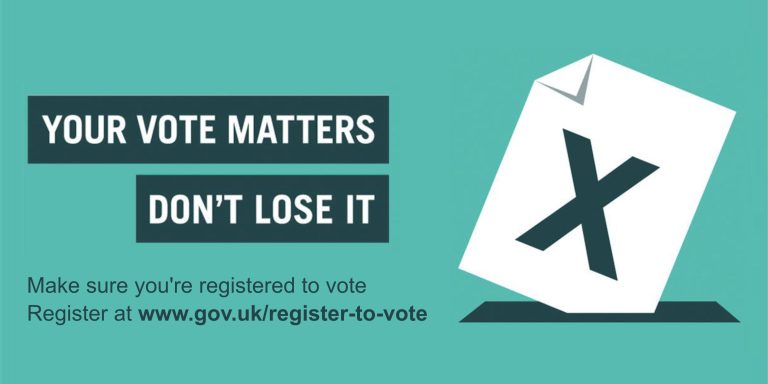
It’s important that you are registered to vote with the electoral commission. That means that you are placed on the electoral register, which is essentially a (very) long list of all eligible voters in your constituency. Registering to vote doesn’t happen automatically once you reach the eligible age, so you must do this yourself. For 2024, you need to have registered by the 18th June 2024. If you aren’t sure if you’ve registered, or if your details such as your name, address or nationality have changed, you can do so here.
Your next decision is to decide where you are registered to vote. As a student, you are entitled to vote at your term-time address. As this election (the first summer election since last century) is outside of term time for undergraduates, it’s important to check where you are registered, as you can only vote once. If you are out of Reading for the summer, be sure that you have changed your address!
It may seem a bit of a faff, but as voting is an official process (and a right afforded to UK citizens) it’s important that the correct information is held about you. It won’t take long to amend any details.
Moving forward, you may be confused who to vote for, and why. Find out who your constituency MP actually is, and then look up the candidates who are standing against them. Lots of current MPs are standing down this year, so there may be new candidates in your area. Look out for them canvassing (door knocking), holding meet-ups or posting literature through your door. This will tell you more about them and their goals for your area. If you have any questions for them if you happen to come across them in person, do ask them! We must stay inquisitive and critical of our sources, so there is not much difference to being a student – make sure you understand what you are being told.
Keeping an eye on news sources and social media is another way to follow along with national campaigns, as opinions change quickly. There will be lots of information from all parties on what their overall aims are, but don’t worry if it all seems a bit confusing. You will have aspects that you will be passionate about. This could be housing, student loans, food security, foreign politics or anything really – these are the things you need to focus on.
When it comes to actually voting, the process is thankfully straight forward. You will need to make sure you have some photo ID, a full list of acceptable options are listed here. You can also apply for a Voter Authority Certificate if you don’t have any relevant photo ID – this is so no-one is disenfranchised. You’ll have been sent a poll card, which is a small piece of paper that tells you where are when to vote, but don’t worry if you forget to take it with you, it’s just your ID that is important. You can only vote at the polling station that’s listed on the card, so make sure you look it up on Google Maps, or scout out the location a few days before, as it will be much less stressful than trying to find it on the day.
Polling stations (where you actually cast your vote) are open from 7am to 10pm. This is to give people more chances to vote. Busy times are often after work, from 5pm onwards. If you want a quieter atmosphere, it may be worth going earlier in the morning or in the middle of the day when others are at work. Once inside, you’ll give your name and show your ID to a member of staff, and then you will be directed to the polling booth, where you vote in private. Afterwards, you follow the instructions of where to place your ballot paper, before leaving the station. Take all the time you need (and be prepared to wait) to make your choice.
There is no obligation to discuss your politics, the person you voted for, engage with the press or speak to anyone apart from the person checking you off the list. If you do have any additional needs, do contact the Electoral Registration Office.
You can also vote in different ways, such as by post, or by proxy. These are good options if you are busy on polling day. Make sure you fill out the additional documentation required in plenty of time.
The importance of voting is rooted in our civic responsibility. This is a set of behaviours that we all participate in at some point in our lives as we live and work in the UK. You may do some of these subconsciously, or be instructed to do so, such as voting in an election. You may not feel compelled to vote at all, and voter apathy is nothing new. It may be problems with getting to the polling station, or confusion about tactical voting or if your vote will even make a difference. From a historical perspective, we have seen that elections can swing by even a few seats, so every vote makes a difference in its own way. By participating in democracy, you can make your mark on society, whether the result goes your way or not.
Women received the vote on the same terms as men in 1928, so we are not even a century out from voting equality in Britain. Information is more abundant than ever, and we no longer have the confusions of plural voting, or having to figure out if we are eligible or not based on our marital status or property qualifications. Instead, we have more opportunities than ever to have open dialogues with friends, family and colleagues about how we feel about politics.
On the department’s Instagram, we are hoping to soon share some small filming snippets about the voting process. Follow us here.
So, although you may be on your summer holidays, do try and make some time to get organised for this year’s election. On the day, choose a time the suits you best, and make a decision based on your personal convictions. That is all a democracy is asking you to do. Whatever happens afterwards, is for the future.
Abbie Tibbott is a PhD student in the Department of History, researching citizenship and politics in the 1920s.


