
In our December series, members of the department reflect on the books, films, TV, music, art, exhibitions and experiences that shaped their year. First up, we asked colleagues what their favourite book of the year was.
Jeremy Burchardt
The best thing I read this year was Alfred Lord Tennyson’s In Memoriam. Astonishing use of language, piercing human insights and a microcosm of High Victorian intellectual and religious doubt.
Matt Worley
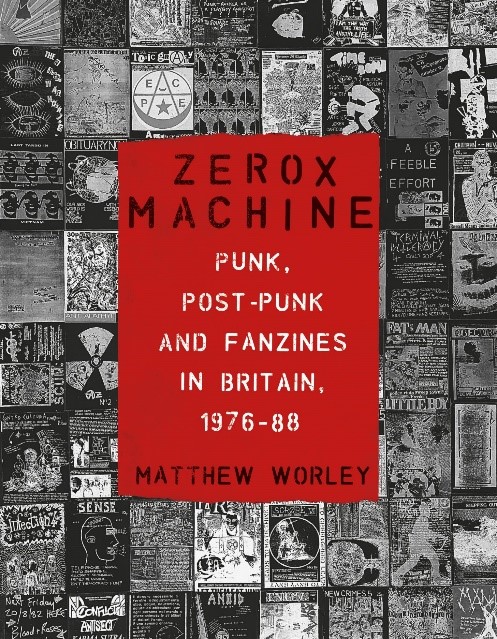
My own book Zerox Machine came out this year, about punk fanzines, so I guess that was my best book. I enjoyed reading also the novel Mysteries by Knut Hamsun, written in the 19th century about an odd man coming to a town and disrupting it with his behaviour. Also Jon Savage’s new book The Secret Public about the gay/queer influence on pop music. I read Eliza Clarke’s Penance too, which was brilliantly pertinent – social media, made up lives, fact/fiction collapse.
Abbie Tibbott
The Gathering by C.J. Tudor – it’s a spooky dystopian murder-mystery that envisions vampires as segregated and discriminated against in society, and how that impacts the protagonist’s ability to solve a crime in a creepy, close-knit town.
Ben Bland
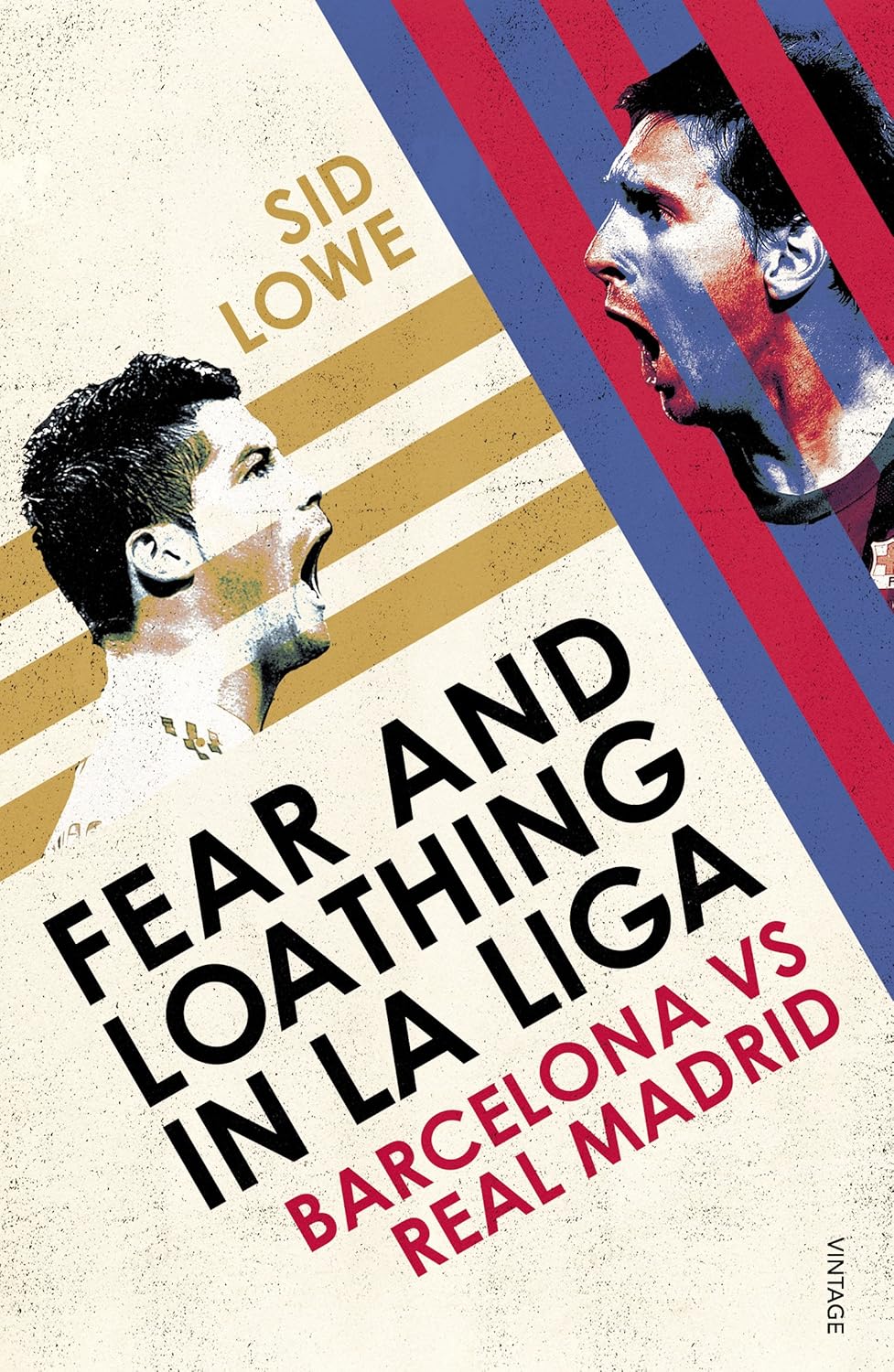
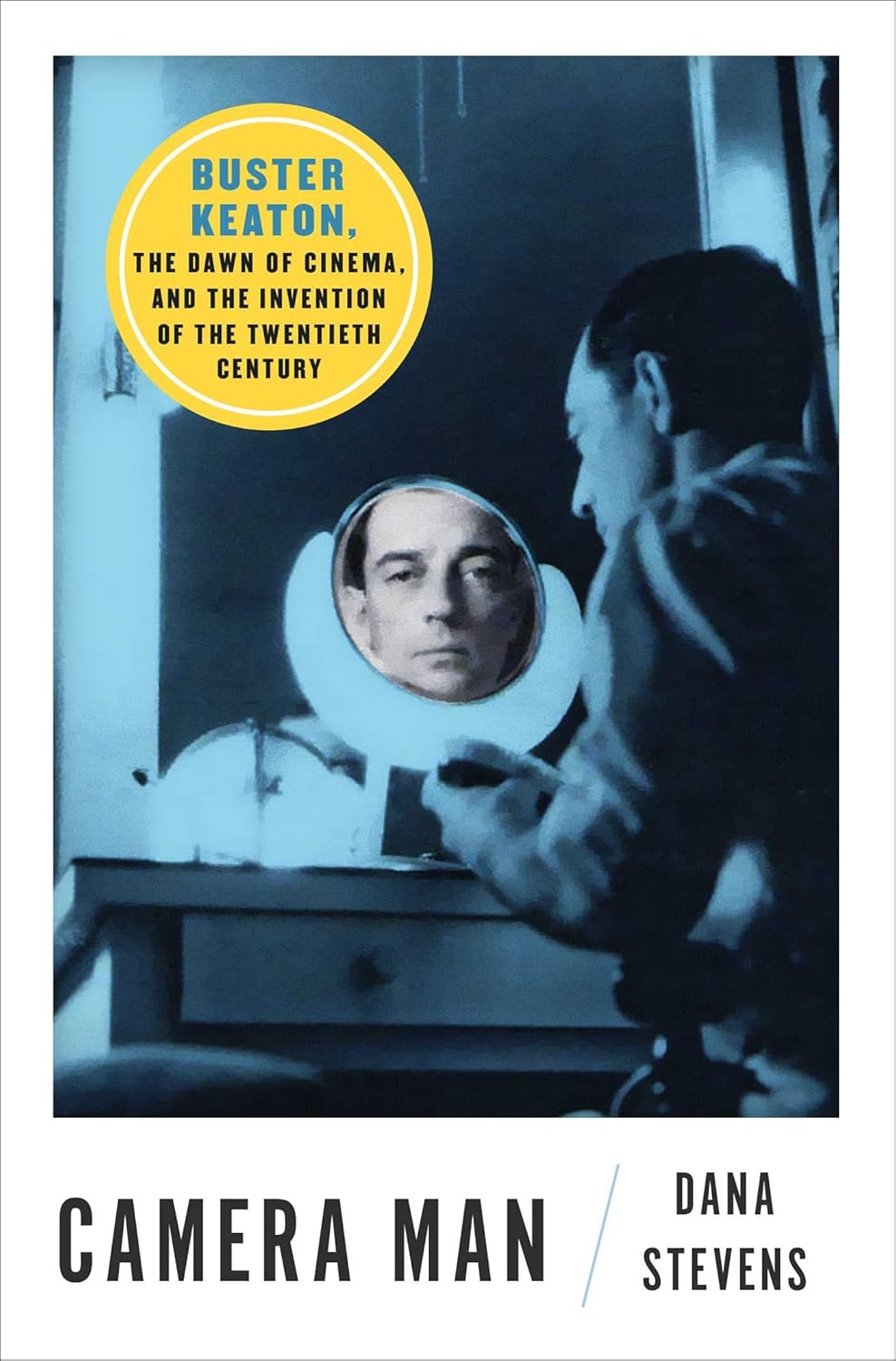
Sadly I have barely been able to switch off enough to read fiction for pleasure this year, it just requires a headspace I haven’t been in. Non-fiction wise, I thought Quinn Slobodian’s Crack-Up Capitalism was a suitably fascinating and readable follow-up to his magnificent (but dense) previous book, Globalists. This is a really captivating work of economic history, which can be hard to find! Sid Lowe’s Fear and Loathing in La Liga was great and informative on the historic rivalry between Barcelona and Real Madrid, and Dana Stevens’ Camera Man is an exceptional book on the career of Buster Keaton and its relevance to understanding the birth of cinema.
Jacqui Turner
I am not a great fiction reader and have a habit of starting but giving up on novels. However, I have been making my way through the shorter and lesser known Nancy Mitford novels.
Liz Barnes
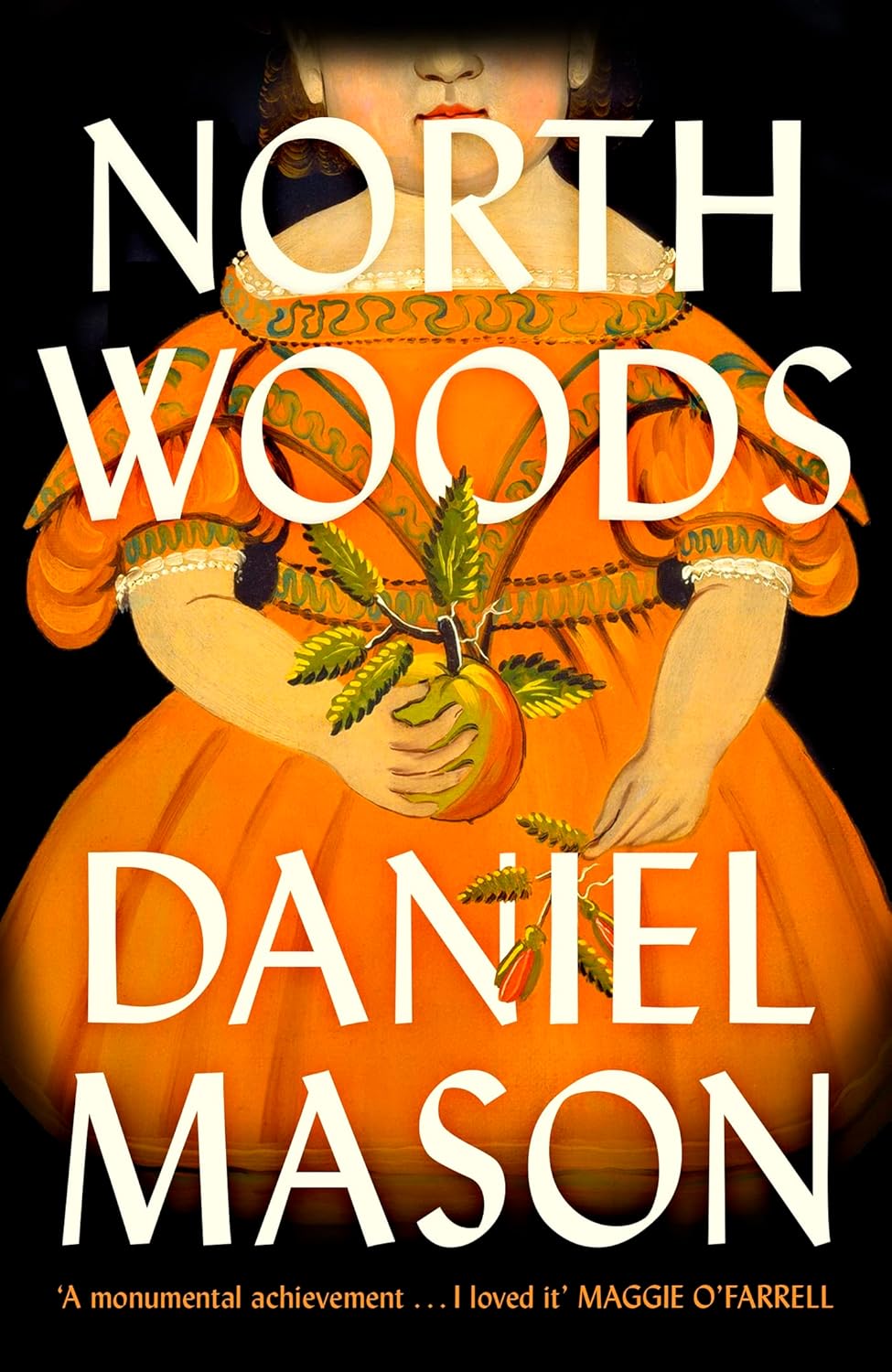
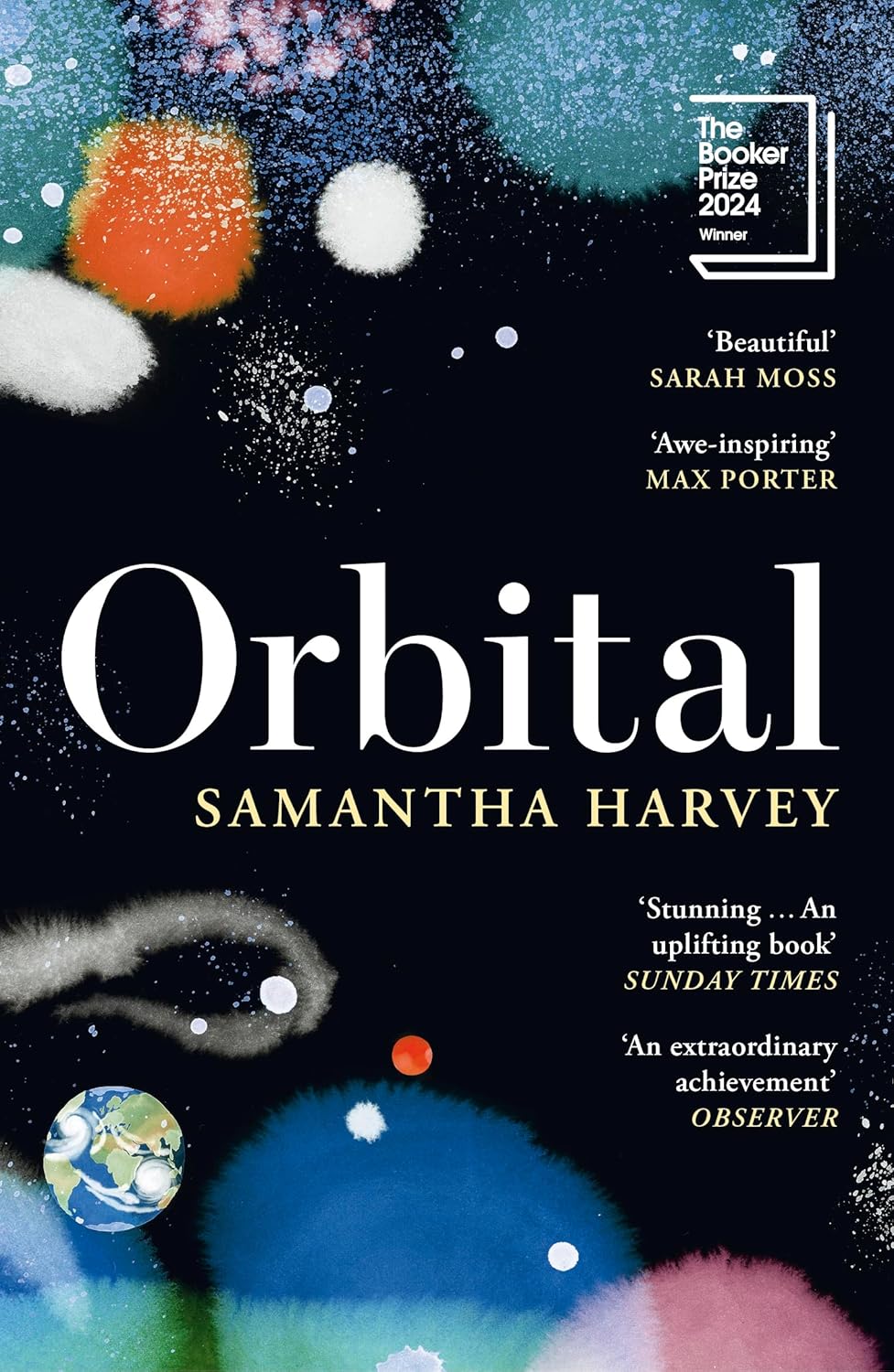
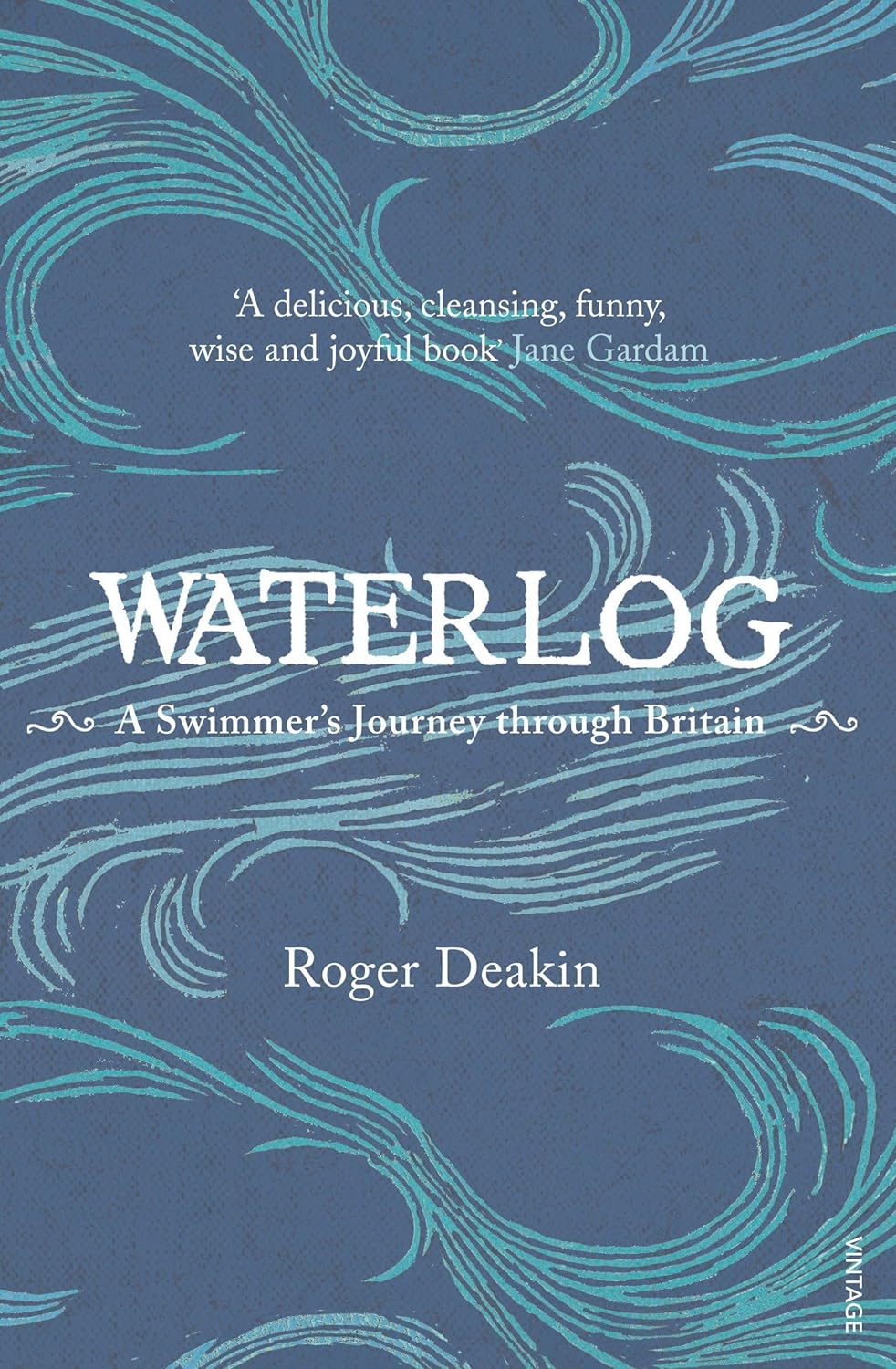
I read a lot of fiction, so picking favourites is quite the challenge for me. Daniel Mason’s North Woods is a sort of patchwork quilt of a novel, tracing a small plot of land in New England from before the American Revolution to a point in the near future. Mason plays with style in interesting ways – the section from the perspective of beetles, for example, was unexpected – and in doing so stresses our connectedness to each other and the world around us. Lauren Groff’s The Vaster Wilds is a triumphant sequel to The Matrix and similarly explores a woman – or girl, really – on the margins. Her struggle to survive against all odds got me through an especially harrowing journey on a heaving Cross Country train. Samantha Harvey’s Orbital and Martin MacInnes’ In Ascension were both gorgeous meditations on what it is to be a human and a part of our Earth. I’m not a big nonfiction reader outside of my research, but a friend recommended Annie Jacobsen’s Nuclear War: A Scenario which was bleakly compelling, and I was completely absorbed by Roger Deakin’s pathbreaking Waterlog, as relevant now as it was when it was written.
Rebecca Rist
The new book by Stephen Alford, All his Spies: The Secret World of Robert Cecil. A little ‘light’ reading on Tudor and Stuart rule… All part of my preparation for my new Tudor module.
David Stack
The best book I read in 2024 was Kairos by Jenny Erpenbeck. It is a serious, allegorical novel exploring the end of the East German state, and the fall of the Berlin Wall, through the prism of a deeply unhealthy relationship. At times it is an uneasy read, but it is beautifully constructed, thought-provoking, and connects the personal and historical with a skill few novelists can achieve.
Tune in tomorrow for our film and TV picks!

 READING HISTORY
You must be logged in to post a comment.