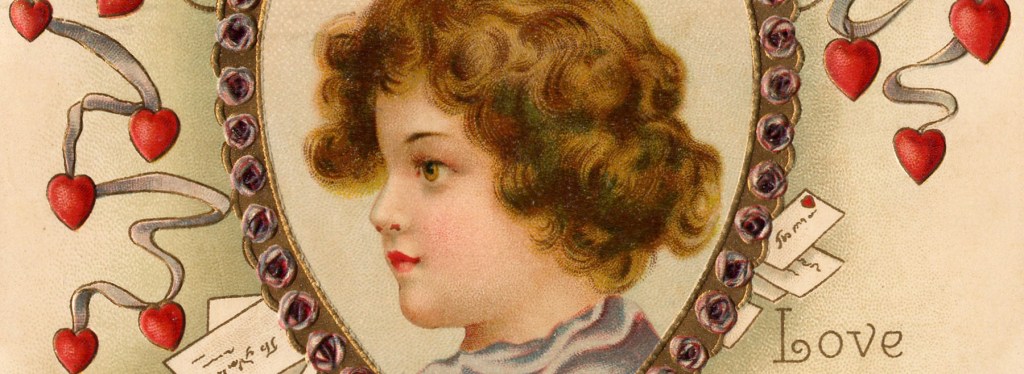
This Valentine’s Day, we revisit some romantic – and spiteful – traditions from the past.
DO: Be romantic and create a love token
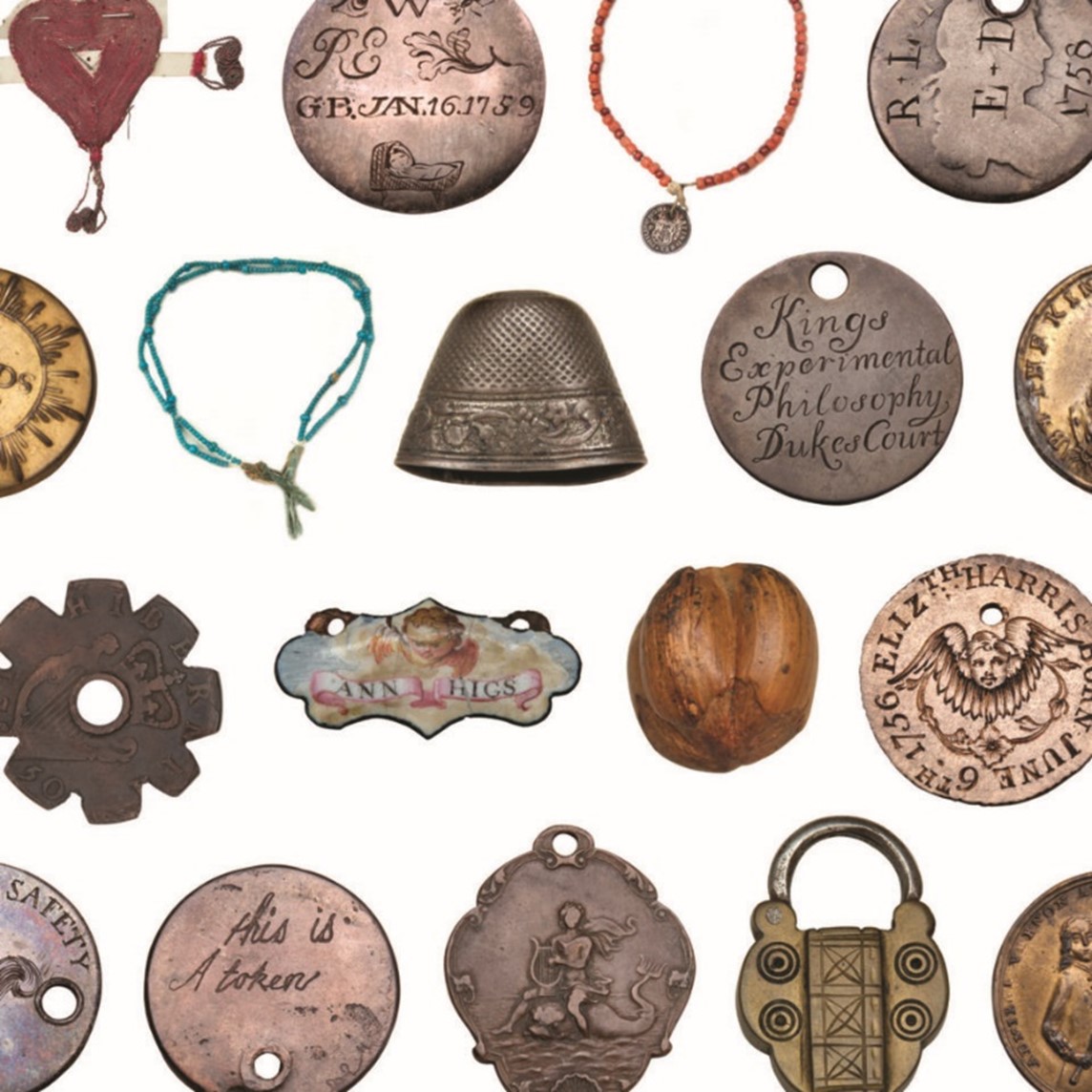
Love tokens in the Victorian era were synonymous with emotion. Generally, a love token was a round flat disc (often smoothed coins), engraved by hand with names or initials intertwined. However, there are many other formats including the tradition of wooden carved Welsh love spoons and hair and perfume combs given as gifts of betrothal in India.

However, love tokens didn’t only celebrate romantic love. Prisoners sentenced to transportation to Australia often made love tokens for those they were forcibly separated from, for family as well as sweethearts.

The Foundling Museum in London was built on the site of the Foundling Hospital, which cared for abandoned babies and has a collection of tokens left by heartbroken mothers. These were often humble and tiny, from coins and simple buttons to half a hazelnut shell but they were still symbols of devotion and desperation.
Take care though: some love tokens were taken after death and were often crafted from the deceased’s hair!
To make the simplest form of love token, you will need a coin, a hammer and a vice. Put the coin in the vice, leaving about one third on view, and hit it with the hammer. Once it has bent, flip the coin over, leaving the unbent third showing, and now hit that with the hammer. Done! You have a gift for your loved one to cherish.
DON’T: Send a spiteful or ‘vinegar’ valentine card
It wouldn’t be possible to discuss St Valentine’s Day without broaching the subject of cards. That said, at the end of the nineteenth century not all cards were as you might expect. A fashion for cruel or spiteful cards flourished which were cheaper and less ornate than their romantic counterparts. They included caricatures of women with mocking sentiments that most often related to a woman’s appearance or less-than-feminine characteristics.
This type of card was first popularised in the USA, a little earlier in the 1840s, but their popularity quickly spread and they became prevalent in Britain. The sending of any greetings card was popularised and made available by new forms of mass print production which lowered costs. There were also improving rates of literacy.

At the worst vinegar cards were akin to modern day trolling – though a very different format! The establishment and development of a cheaper postal service also meant that they could be sent anonymously, just like their romantic counterparts, to their unfortunate recipient.
Have fun this Valentine’s Day, and watch out for nasty post!
Some extracts are republished from The Conversation under a Creative Commons Licence.
Jacqui Turner is Associate Professor in Modern History at the University of Reading.

 READING HISTORY
You must be logged in to post a comment.