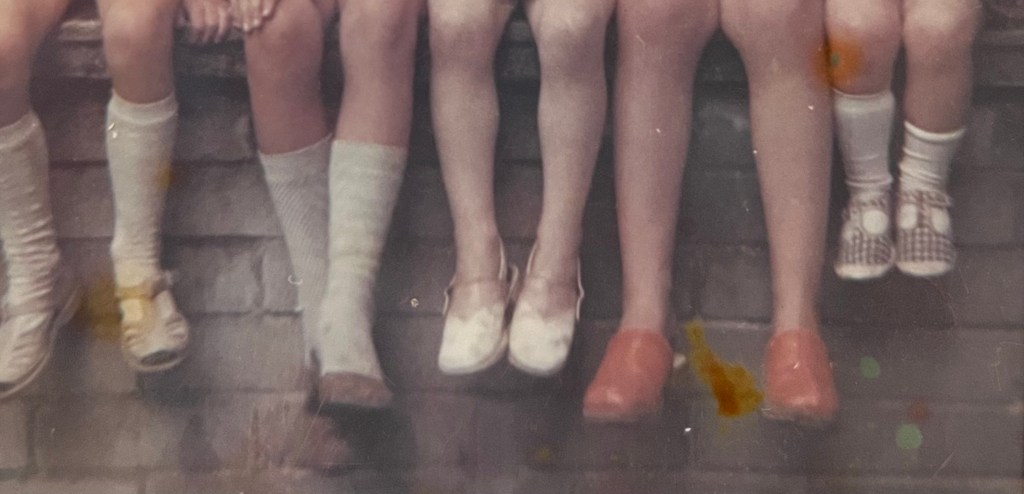
As part of the University’s Centenary Celebrations, a team led by David Stack in History has been researching the experiences of students and staff from working-class backgrounds at the University of Reading. Beginning with the widening participation roots of the University in the 1890s Oxford Extension movement and coming right up to date with policy recommendations for a more socially inclusive campus, the team have aimed to highlight working-class presence, celebrate success, and acknowledge ongoing challenges. Over the next few weeks, we are going to publish a series of linked blogs exploring some of the themes the team have been working on. Today, Sharla Attala reflects on her experiences interviewing members of the Reading community for the project.

Let’s talk about class, because we don’t, do we?
So, we talked about what we don’t talk much about: our class backgrounds; families, schools, work, “bettering” ourselves, fitting in, shame, belonging, and pride.
From April to July, I contributed to the ongoing work towards the university’s centenary celebrations as part of a team project, ‘Celebrating Class: Working-Class Identities at the University of Reading, past, present and future.’ In my researcher’s role, it was a privilege to hold thirty-seven interviews with current students, alumni, professional and academic staff. I heard how class is muted in conversations inside and outside of academia but impacts daily life from our relationships to the food on our plates, and the clothes we wear.
As we talked, the effects of class-related prejudice and discrimination were exposed, and shared experiences became common ground, a place to meet.
My approach to the interviews was informed by reflecting on radical listening and my current doctoral research on the memoir writing of working-class women. It was humbling to hear people generously/bravely offering accounts of their lives in the hope that through this project, they might serve others. To honour this, I shared a little of my history – I grew up on council estates in Nottingham, and I am a middle-aged white woman. Sharing ‘situated knowledge’, our coordinates, Erin Wunker tenderly explains, locates and allows others to find us.
Each interviewee had a unique story, but there were common themes: working hard to survive, hiding accents, being excluded from opportunities, feeling ‘less than’ in a culture where everyone always seems a step ahead. I also heard that being poor or financially disadvantaged isn’t always felt as a lack. Many spoke about their love of dancing and football, and the support of loving parents, friends, and community.
Interviewees regarded the university as welcoming: most staff said it was why they had never left. When the interviews ended, many gratefully acknowledged that the university’s commitment to inclusivity had provided this time and space.
The interviewees came from various cultural backgrounds, including mixed heritage, Black British, Australian, Welsh, and Ghanaian, aged between 20 and 70+. Of the thirty-seven interviewed, only five were current students – all females. This would be a crucial area for further investigation, especially as working-class young men are a non-traditional group least likely to go to university (Raven 2024).
Recommendations
- Let’s rethink the words we use and the ways we talk about class to promote greater participation and discussion.
- Let’s address the lack of representation of people from working-class backgrounds in student and staff bodies, and in key decision-making roles.
- Let’s continue to break the silence and share our stories.
- Let’s create a focus group to build new pathways and new platforms.
- Let’s collaborate on the exhibition and the conference about class next spring.
- Let’s celebrate with music and dancing at a launch event.
- Let’s keep talking about class…
Sharla Attala is PhD Researcher in English Literature with Creative Writing at Reading. This article was written for the “Celebrating Class” blog series, exhibition and conference.

 READING HISTORY
You must be logged in to post a comment.