Latest Posts
-
Desert Island Darwin by Professor David Stack #HistoricalDesertIslandDiscs
Today’s castaway is a nineteenth century scientist who, by formulating what the philosopher Daniel Dennett called ‘the single best idea anyone ever had,’ changed the way in which we understand life on earth. Our guest today is Charles Darwin (1809-1882).… Continue reading

-
Twelve Days of Christmas: Twelve Drummers Drumming
By Professor Matthew Worley It was only two drummers, but it sounded like twelve. My pop music epiphany came on 16th October 1980: Adam and the Ants performed ‘Dog Eat Dog‘ on Top of the Pops, which you can watch… Continue reading

-
Twelve Days of Christmas: Eleven Pipers Piping – Brassed Off
By Dr Natalie Thomlinson “More than owt else here that symbolises pride, it’s this bloody band!” [Image credit: bpcraddock from Pixabay.] To give you a flavour of the music from Brassed Off watch the William Tell Overture from the film here.… Continue reading

-
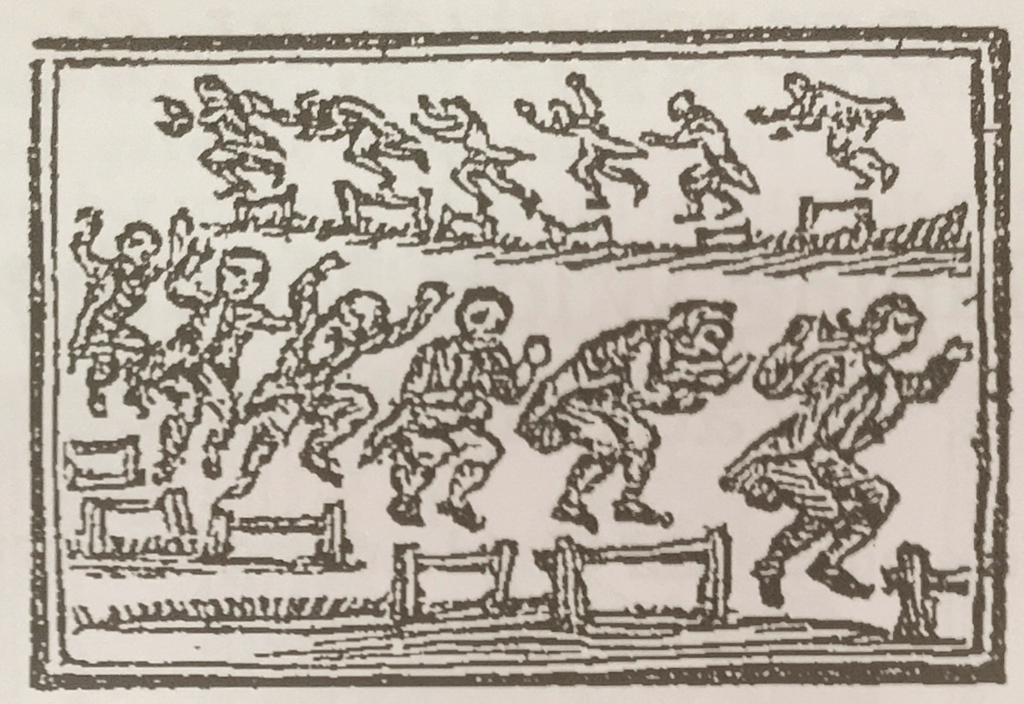
Twelve Days of Christmas: Ten Lords a-Leaping
By Dr Elizabeth Matthew On a summer’s day in 1189 a group of men rode swiftly to the quayside at Dieppe after a long journey from the Loire valley, two hundred and forty miles to the south. Keen to cross… Continue reading
-
Twelve Days of Christmas: Nine Ladies Dancing
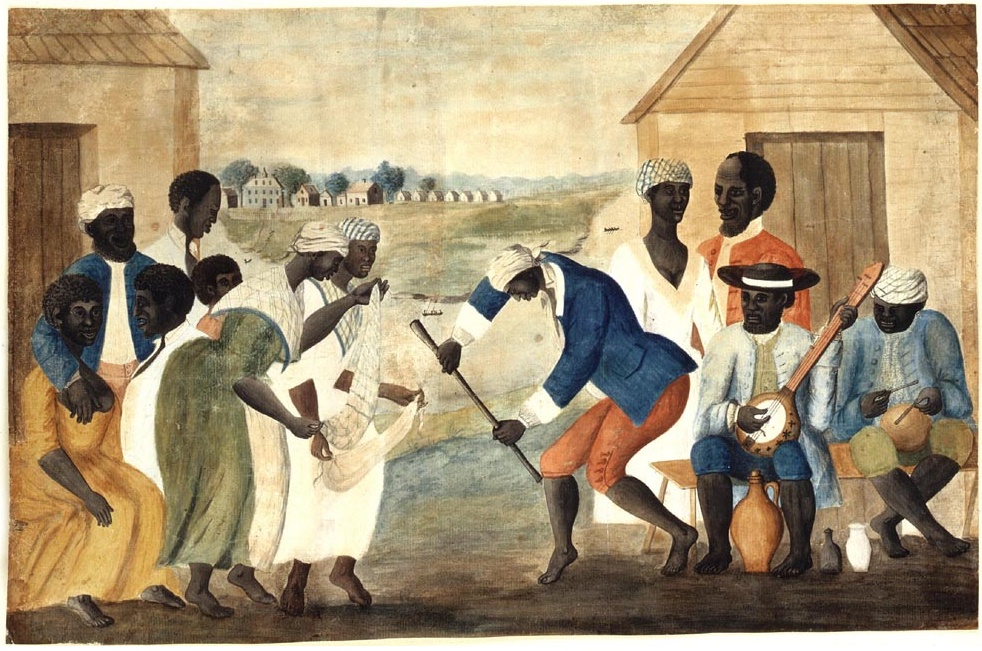
By Professor Emily West The festive season provides a time and space for dancing (badly or otherwise), along with socializing, eating, drinking and celebrating. As befits a Christian celebration it also grants time for religious worship and quiet reflection. One… Continue reading
-
Twelve Days of Christmas: Eight Maids-a-Milking
Tales of Turning Milk into Wine and Festive Phlegm! By Amie Bolissian McRae [Image credit: The Milkmaid, Lucas van Leyden (Netherlandish, Leiden, ca. 1493-1533 Leiden), 1510. Image from metmuseum.org.] What would 17th century festivities have been without milk, cream, cheese,… Continue reading

-
Twelve Days of Christmas: Seven Swans a Swimming
By Professor Kate Williams Seven swans a swimming – well, with giving this, our ‘true love’ was really buying us something rather expensive. Swans have always been luxury goods, a medieval Gucci handbag, if you will. In the medieval period,… Continue reading

-
Twelve Days of Christmas: Six Geese a-Laying
By Professor Anne Lawrence-Mathers As this is the History blog, today presents an opportunity to celebrate the Six Great Geese of History (as chosen by us). They will be presented – obviously – in chronological order. First up is Aesop’s… Continue reading

-
Twelve Days of Christmas: Five Gold Rings
By Dr Heike Schmidt Five Rings of Gold – But Where Did It Come From? When the Gold Coast gained independence from Britain in 1957 the anti-colonial nationalists proudly renamed the country Ghana. Their first head of stead, Kwame Nkrumah,… Continue reading

-
Twelve Days of Christmas: Four Calling Birds
By Dr James P. Bowen In 2018, Dr James P. Bowen of Leeds Trinity University was awarded the Poultry Club of Great Britain Research Fellowship at the University of Reading’s Museum of English Rural Life. ‘The Twelve Days of Christmas’… Continue reading

 READING HISTORY
You must be logged in to post a comment.