
by Prof Helen Parish
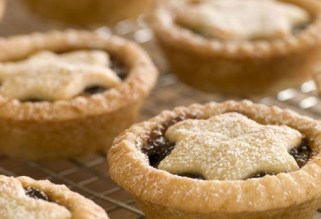
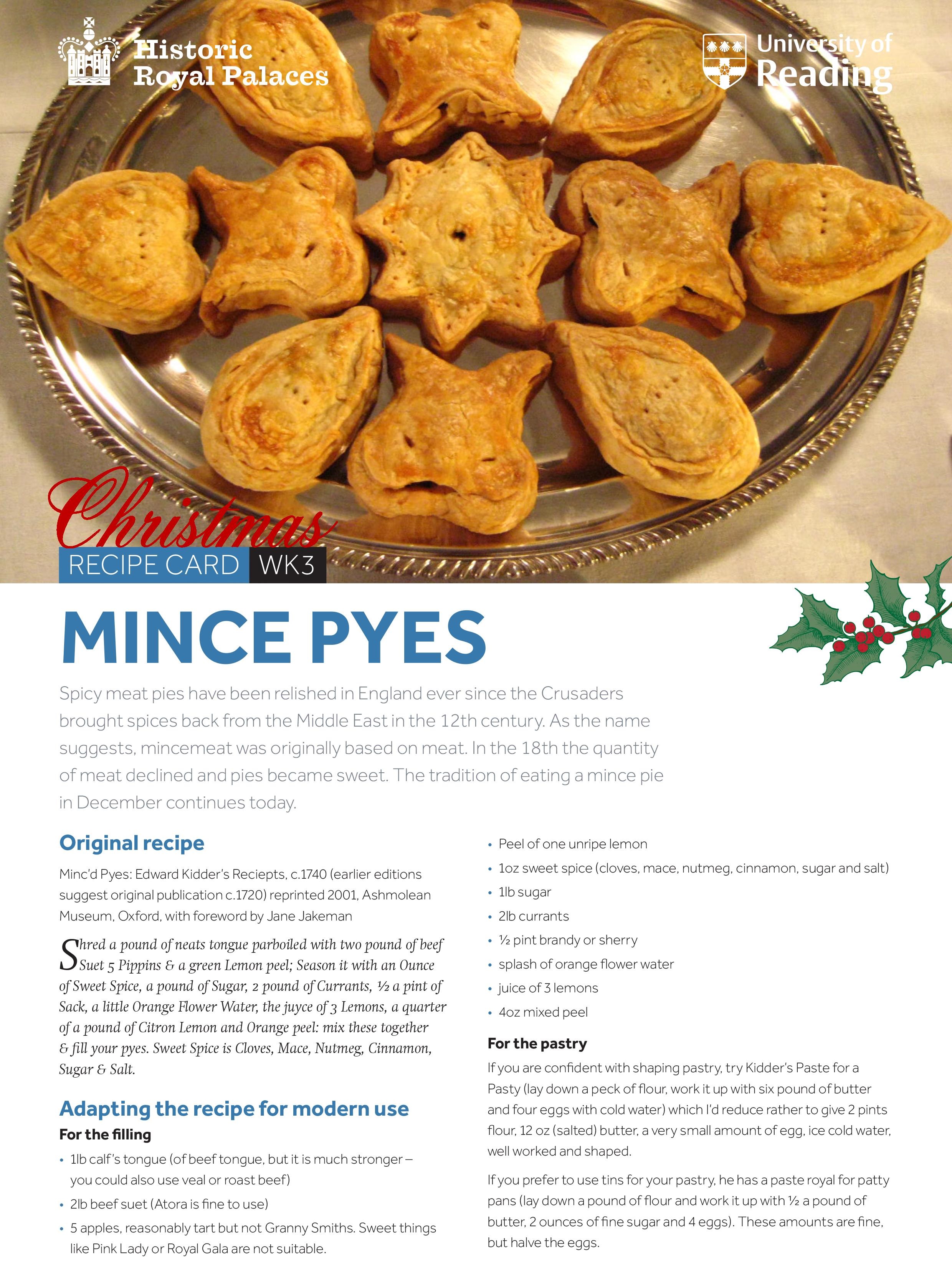
Some 400 million mince pies are consumed in the UK every year. A large number of them are left at the foot of chimneys around the world in anticipation of a visit from Santa Claus, but with a record 46 mince pies eaten in ten minutes by a participant in Britain’s first mince pie eating challenge at Wookey Hole, the man in red has some stiff competition.
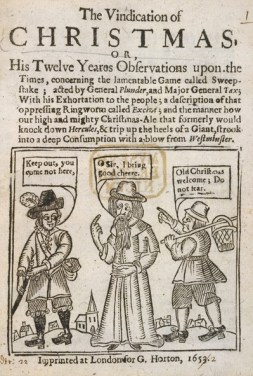
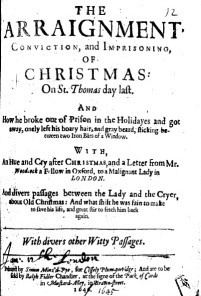
Like shortening days, a chill in the air, and the smell of pine needles, the mince pie is a sure sign that Christmas is coming [leave aside for now the fact that in some shops this happens in August]. But from where does this national obsession with mince pies arise? An article in the December 1733 issue of the Gentleman’s Magazine lauded the crust of the ‘Christmas Pye’ as symbolic of the ‘martial genius of our nation… the rules of military architecture are observed, and each of them would serve for the model of a fortification.’ But the real meaning of the Christmas Pye was not military but religious, and zealous opposition was noted among ‘the Quakers, who distinguish their Feasts by an heretical sort of pudding… and inveigh against Christmas Pie as an Invention of the Scarlet Whore of Babylon, an Hodge-Podge of Superstition, Popery, the Devil and all his Works.’ By now perhaps, that innocent looking Christmas treat is beginning to look a lot more sinister.
The origin of the mince pies can be traced back to the thirteenth century, when those returning from Crusade brought with them produce and recipes containing meats, fruit and spices. The medieval mince pie contained minced meat and suet, flavoured, preserved, and sweetened with honey, dried fruit, and spices such as cinnamon, cloves and nutmeg. A fourteenth century English recipe for ‘Tartes of flessh’ instructed the cook to:
take pork ysode and grynde it smale. Take harde eyren isode & ygrounde, and do þerto with chese ygrounde. Take gode powdours and hool spices, sugur, & safroun and salt, & do þerto. Make a coffyn as tofore sayde & do þis þerinne, & plaunt it with smale briddes istyued & connynges, & hewe hem to smale gobettes, & bake it as tofore, & serue it forth.
Constance B Hieatt and Sharon Butler. Curye on Inglish: English Culinary Manuscripts of the Fourteenth-Century (Including the Forme of Cury), (New York: for The Early English Text Society by the Oxford University Press, 1985)
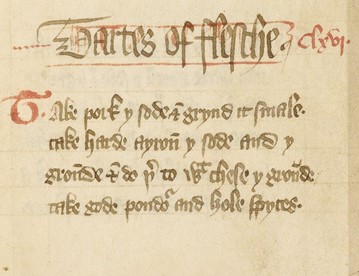
Fourteenth-century recipe for ‘Tartes of Flesche‘



Leave a comment